Hi there,
Look, I owe you the other half of a story I started last month.
I showed you the rinse we send to the lab, and the bacteria it names. That is one half of how you heal. The other half never shows up in your mouth at all, and it sits on a page you may already have at home.
What blood work knows about your gums
Gum tissue heals the way the rest of you heals. Your body settles the inflammation first, then brings oxygen and raw material to the tissue that is repairing. Gums are largely collagen, so the quality of the collagen you build matters as much as the treatment I do.
There are ten numbers I read first, and your physician has usually run all of them already. I am not hunting for a diagnosis, because what I want to know is what your mouth has to work with.

What each one is telling me
hs-CRP is a general inflammation marker, and under 1.0 is where we like to see it. Above 3.0 says inflammation is active somewhere in your body, often for reasons outside your mouth, and gum tissue has a harder time calming down.
The second is a white blood cell count with a differential, which sorts your infection-fighting cells by type. A long running infection shows up there, and so does stalled healing.
The third is your triglyceride to HDL ratio, which reads gum inflammation and whether the tissue stays stable once we have treated it.
HbA1c averages your blood sugar over months, so it shows a pattern rather than one morning. Sugar that runs high changes the quality of your collagen, raises infection risk, and changes how gum tissue holds after treatment. Fasting glucose reads shifts in the bacteria of your mouth, and the signalling that keeps inflammation switched on. Fasting insulin reads inflammation that has run for a long time, and how well your gums stand up to disease.
The last four tell me what your body has on hand to rebuild with. Vitamin D supports the bone that holds your teeth and the gum healing after treatment. Ferritin is your stored iron, and it moves with oxygen delivery, fatigue and inflammation. Hemoglobin carries that oxygen, so it tracks healing and mouth ulcers. MCV gives the average size of your red blood cells, which hints at low B12 or low iron.
That last one earns its place. A burning tongue, ulcers that keep returning, and changes in taste can point to low B12. Those show up in my chair long before anyone thinks to check a blood panel for them.
What changes when I can see them
I do not order blood work and I do not draw it. We are a dental office, and you bring in the panel you already have. My job is to read it next to your saliva results and let the two set the plan.
If both come back quiet, I treat you and then I leave you alone. Telling you that you need less matters to me as much as telling you that you need more.
If the numbers run hot, I slow the pace and see you more often. Sometimes the next useful conversation is with your physician rather than with me, and I will say so.
None of this diagnoses anything, and it is information you read next to the rest of your health picture.
Come and see what is possible
There is a version of all this for your smile, and we call it a Smile Reveal.
It starts with a conversation rather than a drill. I want to know what you like about your smile, and what you do not. What you notice in photographs, and what you picture when you imagine it fixed. Then we study the rest: your bite, your jaw, your gums, and how you breathe.
We take a video of you talking, five photographs, and a 3D scan of both arches. Those records become a 3D avatar of your own face, and we design against that. A team of dentists builds the plan, and at least four more review your case before you ever see it.
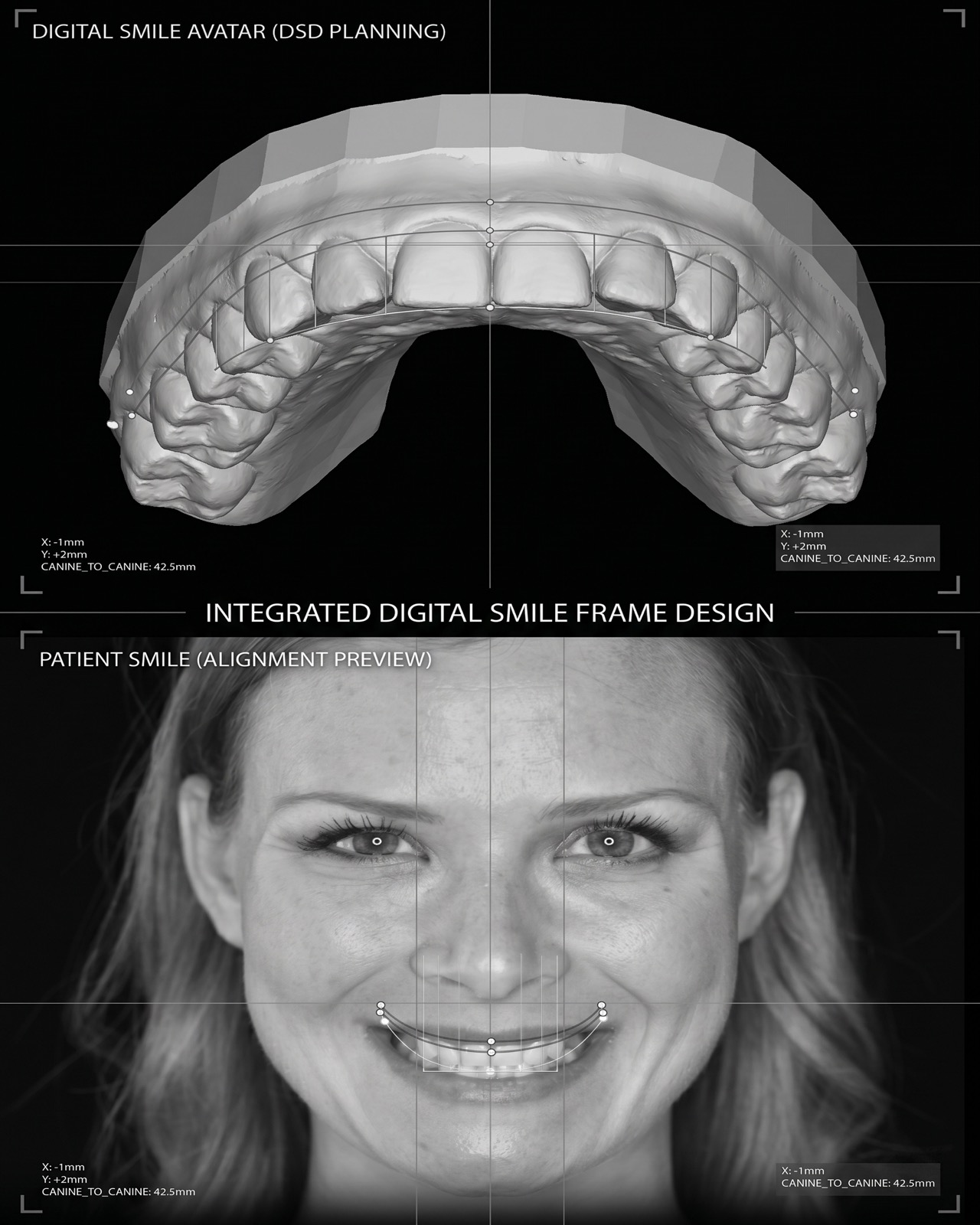
In a lot of cases we then print that design and set it over your own teeth. Nothing is drilled and nothing is filed, and you experience your possible new smile before you decide anything. Not everyone has that step: if we are only working on one part of your mouth, there is no whole smile to preview. Some people arrive already decided, and would rather get on with it.
What goes home with you is the presentation. That is your before and after photographs, and your treatment plan in the order we would do it. It also carries a real understanding of where your oral health stands, including how you breathe. It is yours to keep whether you go ahead with anything or not.
| See what a Smile Reveal involves |
Or say the word at your next visit and we will set it up.
So bring the printout if you have had blood work done in the past year. We will go through the ten together, and I will show you which ones I read first.
If it has been a while since you were last here, that is fine. No lecture waits for you here.
We are here to guide you to a better and stronger version of yourself.
|
Dr. Irwan Goh
Smiles by Goh · Henderson, NV
|