
Now welcoming new patients—Serving Henderson
Restorative · Henderson, NV

Dental Crowns and Bridges
in Henderson

What decides a crown is how much sound tooth stands around the repair, not how large the cavity looked on the X-ray. Dr. Goh reads that at the chair, once the decay is out and he can see what remains. A filling while there are solid walls to bond to. An onlay when only the biting surface has given out, and a crown when the walls themselves need cover.

  • Certified Digital Smile Design provider
  • Top Dentist, Las Vegas
  • 27 years in practice
How much tooth wall is left decides the repair: a filling, an onlay or a crownThree cross-sections of a back tooth, from left to right, as the tooth wall runs out. With a small cavity and the walls sound, a filling repairs it. When one cusp has been lost, an onlay covers only the part that failed. When most of the walls are gone, a crown covers the whole tooth.MOST WALL LEFTLEASTTOOTHGUMFILLINGsmall cavityfills the holeONLAYone cusp lostcovers one cuspCROWNmost walls gonecovers the tooth
Cost
A crown is $2,062, build-up included. New patient visit $100 without insurance.
Time
A visit to check the tooth comes first. When the tooth suits it, the crown is made and fitted in one visit.
Insurance
Most PPO plans pay part of a crown. We check your plan for you. Insurance and payment
What
A cap that covers a cracked or weak tooth. Sometimes a filling or an onlay is enough.
How a crown visit runs here

An exam and the imaging that matters come first.

Dr. Goh tells you which path your tooth is on before he starts, not after.

01 · Before the crown

Numb, clear and shape

A written, itemised plan comes first. Dr. Goh numbs the tooth, offers nitrous, clears the decay, then shapes it so the ceramic is even all around.

Local anesthetic · nitrous available
02 · In the same appointment

Scan, design and mill

A digital scan replaces the impression tray. Dr. Goh designs the crown on screen, mills it here and checks your bite. Cases that suit it take one visit, no temporary.

One visit when the case suits it
03 · When it goes to a lab

The cases that take two visits

Not every case suits the mill. A front tooth often looks more natural in layered lab ceramic, and a bridge always takes two visits, because a lab builds the span.

Two visits · lab-built span
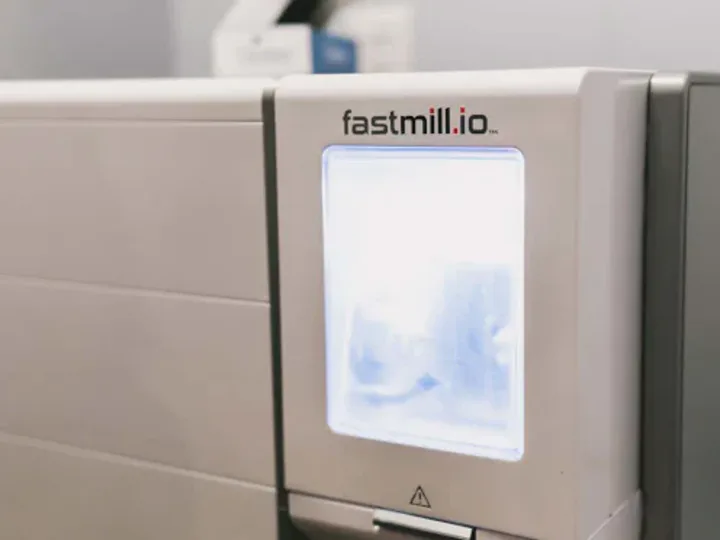
The fastmill.io milling unit at Smiles by Goh, where a ceramic crown is milled during the same appointment
Milled in the office
Why a filling stops being the right repair

You have probably heard the sentence, maybe twice.

A tooth you have already had filled needs work again, and this time the answer is a crown rather than another filling. It sounds like a bigger number for the same problem. It is an argument about structure, and it takes two minutes to see.

A filling sits inside the tooth and leans on the walls around it. Part of every bite travels sideways, out against those walls, and a wide filling leaves less wall to take it. Those walls flex a little under that push, thousands of times, for years. What that flexing does next is the part that decides your appointment.

Onlays: the step most people never hear about

A crown reduces the whole tooth, including walls that never gave out.

An onlay does less. It covers only the cusps that failed and bonds onto the sound structure beside them, so your own outer walls stay where they are.

That puts an onlay in a narrow band of cases. There has to be more damage than a filling can carry, and enough solid tooth for the onlay to bond to. Once several walls have gone, an onlay has nothing to hold, and a full crown becomes the honest answer. Dr. Goh makes that call after the decay is out, with you looking at the same tooth he is.

  • Same-day mill, when the case suits it

    For the cases that suit it, that is one visit with no temporary crown and no second appointment.
  • Front teeth, or a margin below the gum

    A front tooth often reads more naturally in layered ceramic from a lab. A margin that sits below the gum sometimes needs the tissue to settle before anything final goes on.
  • A bridge, always

    A bridge always runs over two visits, because a lab builds the span between them.

It does not remove the force that broke the tooth. If clenching, bracing and grinding cracked one molar, that same load lands on the new crown and on the tooth next to it. Bruxism arrives in bursts through the night rather than as steady pressure, and most people have no idea they do it. A night guard protects the surfaces of your teeth, and on its own it does not address the cause.
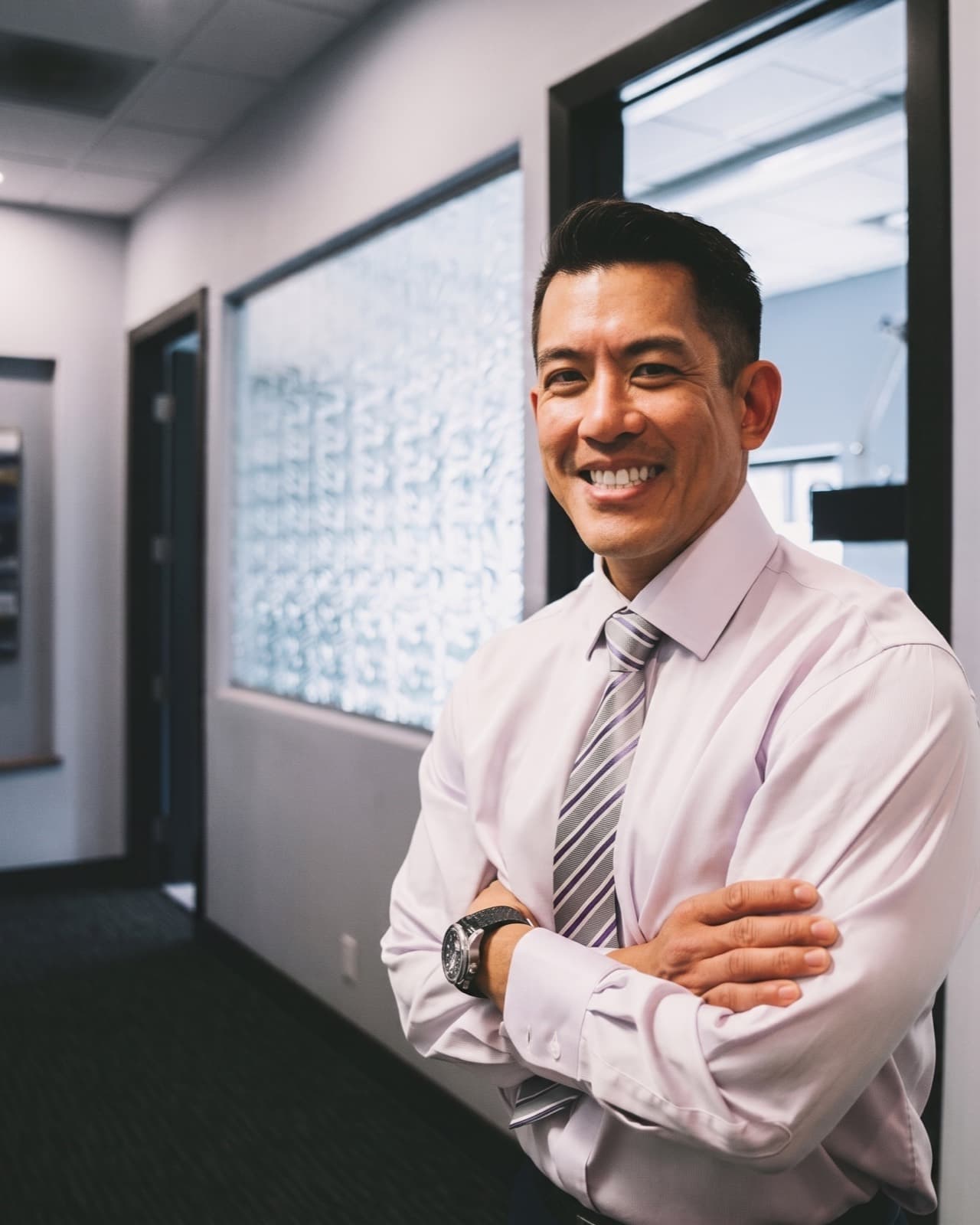
Dr. Irwan Goh, who plans Dental Crowns and Bridges care at Smiles by Goh in Henderson
Dr. Irwan Goh, DDS
27 years in practice · solo in Henderson by choice
Your dentist

Dr. Goh plans your care himself.

  • Dental degree, UCSFDoctor of Dental Surgery
  • Certified Digital Smile Design providerSmile plans start from your face
  • At least four more dentists review itEvery Digital Smile Design plan
  • LVI Global graduateAdvanced cosmetic training
  • Academy of Facial EstheticsFace and smile together
  • Top Dentist, Las VegasDesert Companion
Digital dentistry in the office
  • iTero 3D scans
  • CBCT 3D imaging
  • 3D-printed smile previews
  • Invisalign Outcome Simulator

The honest answers.

Ask to see the tooth. Once the decay is out, Dr. Goh shows you which walls are still standing and which ones have gone, before he shapes anything. The recommendation follows what is actually there, not a target for the day. Where a filling would genuinely hold, that is what you get.
Yes. Mercury-free composite restorations, layered to flex like enamel and dentin. BPA-conscious. Sealants too: a thin resin flowed into the pits and grooves of a back tooth, where the channel is narrower than a brush bristle can reach.
Often, and it is worth asking. An onlay covers only the part of the tooth that failed and leaves your own walls in place. It keeps more of your tooth than a crown does. It needs enough sound structure to bond to, which is why the answer comes after the decay is out rather than before. Dr. Goh will tell you when a tooth has too little standing to hold one.
Nobody can honestly put a number on your crown, and three things move that answer. First, the seal where the crown meets your tooth, because decay starts at that margin. Second, the health of the gum and bone underneath, which is why periodontal treatment sits alongside restorative work here. Third, whether the force that cracked the tooth still shows up at night. Those three matter more than the material it is milled from.
Dr. Goh picks the shade against the teeth beside it and shapes the crown to sit in the row rather than stand out. You see the shade and the shape at the design stage, before he finishes anything, and it is adjusted until you are happy with it.
Dr. Goh numbs the tooth with local anesthetic before he starts, so most people feel pressure and vibration rather than sharp pain. The tooth can feel tender for a day or two afterwards, and sensitivity to hot or cold in that time is normal. If you want extra ease going in, nitrous oxide and oral sedation are both available.
More questions (16)
When the case suits the in-office mill, one. Dr. Goh scans the tooth, designs the crown, mills it and bonds it in the same appointment. That means no temporary crown and no second visit. Some cases still go out to a lab, usually front teeth where layered ceramic reads more naturally. Those run with a temporary crown and a second appointment once the lab work comes back.
Usually, and the reason is structural. A root canal reaches the nerve through an opening in the roof of the tooth, which is the same ridge that ties the cusps together. That leaves a hollowed tooth with its ring already broken, so a back tooth treated this way splits easily under a normal bite. Smiles by Goh does not perform root canals in-house: Dr. Goh refers that step to a specialist, then rebuilds and crowns the tooth afterwards.
Sometimes, and that is a decision worth making on purpose rather than by default. The teeth either side of a space tip toward it over time, and the tooth in the opposite jaw drifts because nothing meets it. Both changes alter how your teeth come together, and both make the space harder to work with later. Bring it to the exam and Dr. Goh will show you on your own scan how far things have already moved.
You thread floss underneath the middle unit once a day, or you run a water flosser under it. The three units join into one piece, so ordinary flossing cannot pass between them. Plaque that sits where a crown meets its anchor tooth is what starts decay, and that join sits at the gumline. The extra step under the pontic protects the two teeth holding it up.
Call the office first thing. An emergency visit at Smiles by Goh is an assessment: an exam, plus the imaging that matters. That tells you what has broken and how far down it goes. You leave knowing what the tooth needs and how to handle the pain in the meantime. Dr. Goh plans and quotes the treatment after that, rather than deciding it while you are sore and surprised.
A crown is $2,062 without insurance, including the build-up underneath it, and every price is on our Dental Costs page. Dr. Goh writes the recommendation down and itemises it before anything starts. The office checks what your plan actually covers rather than guessing from the card. Nothing goes on the schedule until you have read it, and most plans can run in stages by clinical priority.
Stress gathers at the deepest inside corner of a filling, where its floor meets a wall. Cracks begin at that corner, and they travel down toward the root rather than out to the surface where you might spot one. Nothing hurts while a crack grows, because it has not reached the nerve. The first sign is usually a sharp twinge when you release a bite rather than when you press down. The crack opens as you load the tooth, and the two halves rub together as that pressure comes off.
Sooner or later a cusp shears away, and the height of that break changes everything. A break above the gum leaves a rim of tooth for a crown to grip. A break that runs below the gumline and into the root leaves far fewer options. That is the real reason to look at a tooth that twinges now, while the crack is still short.
A crown covers the cusps and wraps the outside of the tooth. The same bite force then squeezes the walls together instead of spreading them apart. That is the whole difference between the two, and it is mechanical rather than cosmetic. Once the repair would be wider than the walls still standing, cover beats fill, whatever the X-ray looked like.
Shaping a tooth for a crown takes healthy structure from every side, and enamel does not grow back. That is exactly why Dr. Goh will not reach for a crown while a filling still has solid walls to bond to. Watching a small finding and checking it again at the next visit stays a real option here, not a stalling tactic.
You may have lost a back tooth years ago and simply learned to chew on the other side. The empty space is the smaller half of the problem. Each tooth holds its position because of the two teeth beside it and the tooth it meets in the opposite jaw. Take one out of the row and the neighbors tip slowly toward the space, while the tooth above or below drifts because nothing meets it. Your bite changes shape, food packs into the tilted contacts, and the space grows harder to restore later.
One crown goes on the tooth in front of the gap, another on the tooth behind it, and a middle unit joins them. That middle unit, the pontic, rests against the gum and draws no support from it. Your two anchor teeth carry the entire load, so two roots now do the work that three teeth used to share.
When those teeth already hold large fillings or crowns, that shaping costs you little. When both are sound, a bridge asks you to spend healthy structure on two teeth in order to replace one. Dr. Goh says that out loud before you decide, because it is the real trade and the call belongs to you.
The three units join into one piece, so ordinary floss will not pass between them. You thread it underneath the pontic instead, with a floss threader or a water flosser, once a day. Decay starts at the margin where each crown meets its anchor tooth, and that margin sits right at the gumline.
It fails from the anchor teeth inward, and because the units join, trouble in one anchor takes the whole span off. The ridge of gum under a pontic can also change shape over the years, so a small space may open beneath it. The shape Dr. Goh gives that middle unit, and the way you clean under it, are what keep that space from packing with food.
Dr. Goh checks how your teeth meet, where the wear facets sit, and whether your jaw feels tired in the morning. Restoring a tooth without asking that question is how people end up restoring it twice.
Book a visit

Bring the tooth in before it decides for you.

The visit is unhurried, with the imaging that matters. You leave with an honest read on whether that tooth wants a filling, an onlay, a crown, or nothing at all for now. You also leave with a written, itemised plan and no pressure to start the same day.

Usually open Tuesday to Thursday, plus some Mondays and Fridays, 8 AM to about 4:30 PM. No evening or weekend appointments. Hours shift every two weeks, so call to confirm.

Financing available: CareCredit · Cherry · VIP Savings Plan (in-house membership)

Book online or get in touch

Or leave your details below and we reach out the way you prefer.

Call (702) 732-3754Book a visit →