
Dental Crowns and Bridges
in Henderson
What decides a crown is how much sound tooth stands around the repair, not how large the cavity looked on the X-ray. Dr. Goh reads that at the chair, once the decay is out and he can see what remains. A filling while there are solid walls to bond to. An onlay when only the biting surface has given out, and a crown when the walls themselves need cover.
An exam and the imaging that matters come first.
Dr. Goh tells you which path your tooth is on before he starts, not after.
Numb, clear and shape
You get a written, itemised plan before any work starts. On the day, Dr. Goh numbs the tooth with local anesthetic, and nitrous oxide is there if you want the visit to feel easier. He clears out the decay and the old filling material. Then he shapes what remains, so the crown carries an even thickness of ceramic all the way around.
Local anesthetic · nitrous availableScan, design and mill
A digital scan of the shaped tooth replaces the old tray of impression material. Dr. Goh designs the crown on screen and mills it from a ceramic block in the office. He checks how it meets the teeth beside it and the tooth above it. He adjusts the bite while you can still tell him how it lands, then bonds it in place. For the cases that suit it, that is one visit with no temporary crown and no second appointment.
One visit when the case suits itThe cases that take two visits
Not every case suits the mill, and you should know which one you are. A front tooth often reads more naturally in layered ceramic from a lab. A margin that sits below the gum sometimes needs the tissue to settle before anything final goes on. A bridge always runs over two visits, because a lab builds the span between them.
Two visits · lab-built span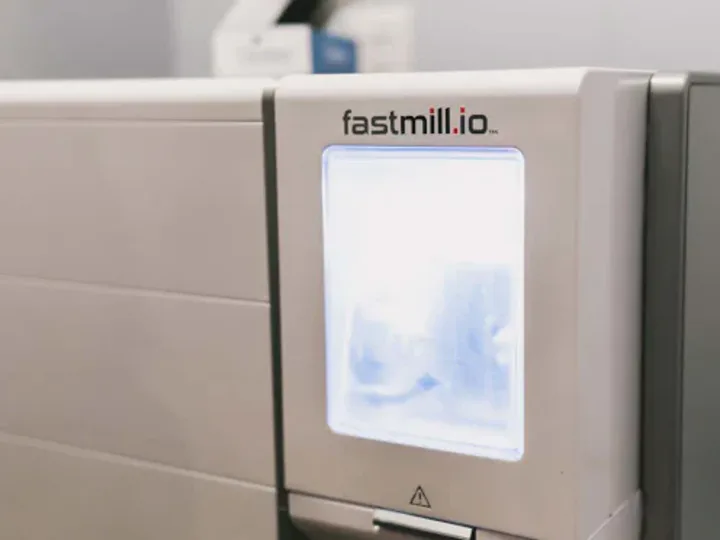
You have probably heard the sentence, maybe twice.
A tooth you have already had filled needs work again, and this time the answer is a crown rather than another filling. It sounds like a bigger number for the same problem. It is an argument about structure, and it takes two minutes to see.
A filling sits inside the tooth and leans on the walls around it. Part of every bite travels sideways, out against those walls, and a wide filling leaves less wall to take it. Those walls flex a little under that push, thousands of times, for years. What that flexing does next is the part that decides your appointment.
A crown reduces the whole tooth, including walls that never gave out.
An onlay does less. It covers only the cusps that failed and bonds onto the sound structure beside them, so your own outer walls stay where they are.
That puts an onlay in a narrow band of cases. There has to be more damage than a filling can carry, and enough solid tooth for the onlay to bond to. Once several walls have gone, an onlay has nothing to hold, and a full crown becomes the honest answer. Dr. Goh makes that call after the decay is out, with you looking at the same tooth he is.
Same-day mill, when the case suits it
For the cases that suit it, that is one visit with no temporary crown and no second appointment.Front teeth, or a margin below the gum
A front tooth often reads more naturally in layered ceramic from a lab. A margin that sits below the gum sometimes needs the tissue to settle before anything final goes on.A bridge, always
A bridge always runs over two visits, because a lab builds the span between them.
It does not remove the force that broke the tooth. If clenching, bracing and grinding cracked one molar, that same load lands on the new crown and on the tooth next to it. Bruxism arrives in bursts through the night rather than as steady pressure, and most people have no idea they do it. A night guard protects the surfaces of your teeth, and on its own it does not address the cause.
The honest answers.
21 questionsBring the tooth in before it decides for you.
A crown consultation takes twenty unhurried minutes, with the imaging that matters. You leave with an honest read on whether that tooth wants a filling, an onlay, a crown, or nothing at all for now. You also leave with a written, itemised plan and no pressure to start the same day.
Hours rotate every two weeks — call to confirm today's hours.
Financing available — CareCredit · Cherry · LendingPoint · Sunbit · BoomCloud in-house savings plan