
Maybe you picked up a tube marked fluoride-free, or hydroxyapatite toothpaste kept showing up in your feed. Either way, you are asking a fair question: is it a real alternative to fluoride, or a trend with a long name?
The short answer is that hydroxyapatite toothpaste is a real ingredient with real trials behind it. In a small number of studies, it kept pace with fluoride. It has not been tested nearly as hard as fluoride, though, and the adult trial left out the people most likely to get cavities. Here is how each one works, so you can decide for yourself.
What is hydroxyapatite, and what does it do on a tooth?
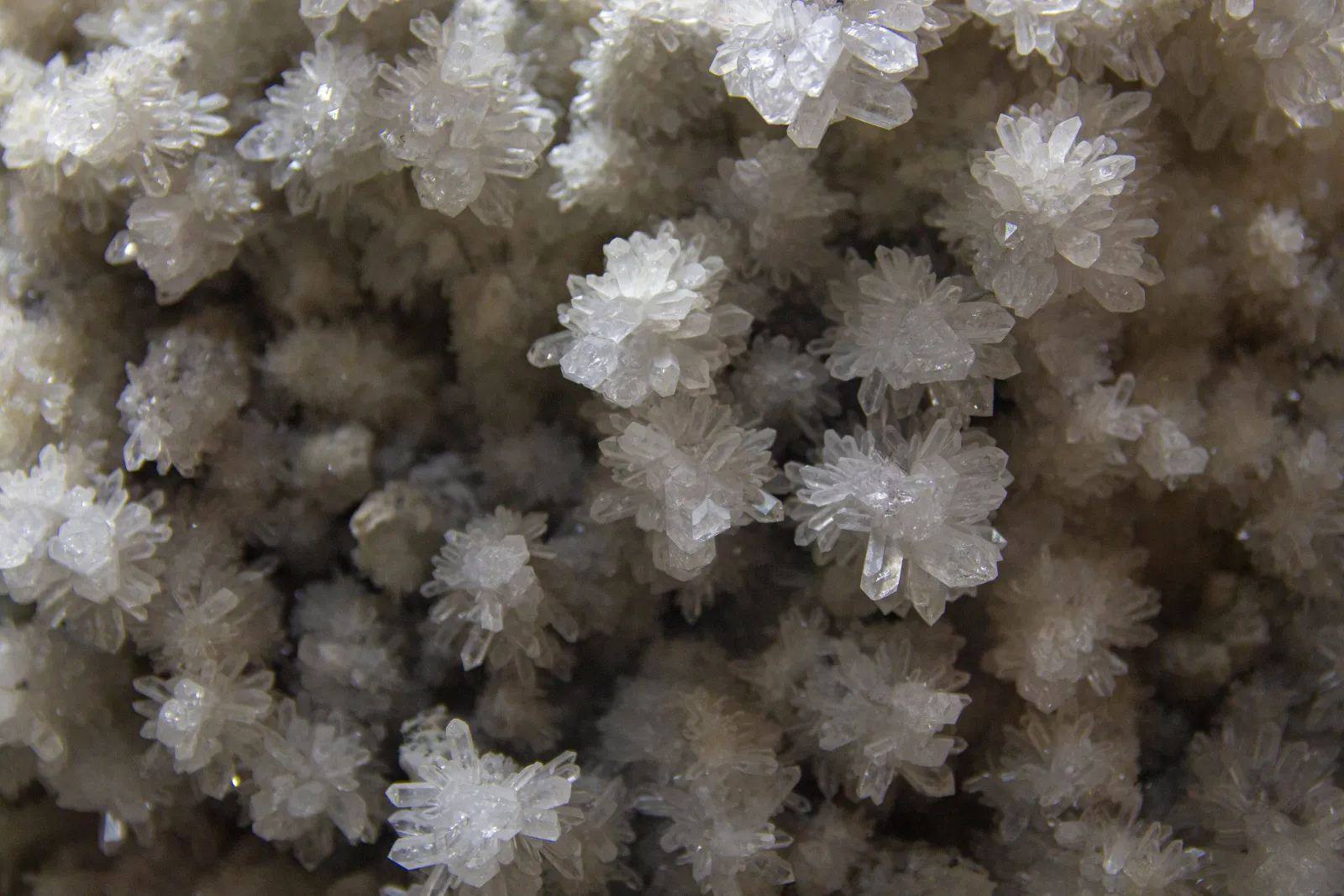
Your enamel is mostly a mineral called hydroxyapatite, a crystal that your body builds from calcium and phosphate.
Every time the bacteria in plaque feed on sugar, they make acid, and that acid seeps into the tooth and dissolves some of the mineral. Between snacks, your saliva carries calcium and phosphate back in and repairs part of the damage. A cavity forms when the dissolving keeps outrunning the repair over time (Featherstone, 2000).
Hydroxyapatite toothpaste adds tiny lab-made particles of that same mineral, in micro or nano size. Lab and mouth studies show the particles settle onto weakened enamel and help restore the surface (O'Hagan-Wong and colleagues, 2022). Think of it as bringing building material to the spot where acid took some away.
How does fluoride protect teeth differently?
Fluoride does not bring calcium or phosphate with it, but it changes how that back-and-forth goes. Featherstone's review describes three jobs, mostly at the tooth surface. Fluoride slows the dissolving and speeds up the repair, and it also blocks some bacterial enzymes.
That review calls fluoride "the key agent in battling caries," and caries is the dental word for decay. It also notes that fluoride in drinking water and in toothpaste reduces decay through these same surface effects. Hydroxyapatite works on the same balance, but its clinical record is much shorter.
Is hydroxyapatite toothpaste as good as fluoride?
The first trial of its kind in adults ran for 18 months in Poland, with 194 adults split into two groups. One group brushed with a fluoride-free toothpaste containing 10% hydroxyapatite. The other used a standard fluoride toothpaste at 1,450 ppm (Paszynska and colleagues, 2023).
At the end, 89.3% of the hydroxyapatite group had no new decayed, missing or filled surfaces, against 87.4% of the fluoride group. The authors concluded that hydroxyapatite was not inferior to fluoride.
Three details matter before you read that as a tie for your own mouth.
Who was in it: to join, people needed at least 10 cavity-free back teeth. The authors describe the group as healthy, mostly young adults without significant oral health problems.
Who paid for it: a company that sells hydroxyapatite toothpaste helped fund the study, along with the two universities that ran it. Three of the authors worked for that company.
How much evidence exists: a 2024 review pooled 5 clinical trials and 8 trials that used tooth samples worn in the mouth. It concluded that hydroxyapatite works as an anticavity ingredient without fluoride, and two of its authors also work for that manufacturer (Pawinska and colleagues, 2024).
None of that makes the results wrong. It does mean the same small circle of researchers is behind the studies above, and the adult trial tested people at low risk of decay.
Why can't a fluoride-free toothpaste claim to prevent cavities in the US?
The FDA rule for over-the-counter anticavity toothpaste lists three active ingredients. All three are fluoride: sodium fluoride, sodium monofluorophosphate and stannous fluoride (21 CFR 355.10). Hydroxyapatite is not on that list.
The American Dental Association follows the same line. Every toothpaste that carries its Seal with a cavity protection claim must contain fluoride. So when a fluoride-free tube talks about enamel care, that wording is not the anticavity claim a fluoride tube is allowed to make.
Who might reasonably choose hydroxyapatite toothpaste?
If you have decided against fluoride: hydroxyapatite gives you a fluoride-free option with clinical trials behind it, including the adult trial above.
If your teeth are sensitive: where a root is exposed, its surface has tiny open channels that run toward the nerve. Cold or sweet things move the fluid inside them, and hydroxyapatite particles can plug those channels. A review of 44 trials found it reduced sensitivity more than fluoride did. Two of its three authors work for the manufacturer (Limeback and colleagues, 2023).
Think twice if you get cavities often, have a dry mouth, or already have a lot of fillings. Low saliva flow is one of the factors Featherstone lists on the losing side of the balance. The adult trial did not include people like you, so its result does not carry over. Fluoride has been used against decay for decades.
What can't any toothpaste do?
Toothpaste works on the surfaces your brush touches, and gum disease lives somewhere else. The bacteria most tied to it sit below the gum line. They track with two signs, pocket depth and bleeding on probing, and neither one hurts (Socransky and colleagues, 1998).
No paste, fluoride or hydroxyapatite, reaches the bottom of a deep pocket. That is why your preventive visit with us centers on measuring and treating periodontal disease. It is probably the condition that is most important when it comes to a patient's overall health. If your numbers come back deep, read what your gum numbers mean.
The other half of the story is how your body responds to those bacteria. Two people can carry the same germs and end up in different places. Our salivary testing uses an oral rinse that we send to a lab. The panel targets 11 of the several hundred bacterial types in the mouth, and the same rinse reads a gene tied to that host response.
Questions about hydroxyapatite toothpaste
Is nano-hydroxyapatite safe?
The European Commission's safety committee reviewed it in 2025. It judged it safe at up to 29.5% in toothpaste and 10% in mouthwash, for rod-shaped particles (SCCS final opinion). The opinion does not cover needle-shaped particles, and it speaks to safety, not to cavity prevention.
Can I use hydroxyapatite and fluoride together?
These trials cannot tell you. They compared a fluoride-free hydroxyapatite paste with a fluoride paste, so they never tested the two together. If you want to use both, ask us how they fit your mouth.
If you have switched toothpaste or are thinking about it, bring the tube to your next visit. We can talk it through against your own numbers. Call 702-732-3754, or book a visit online.